Mona Liza Santos
Author Interview: Russhell Joy R Cifuentes
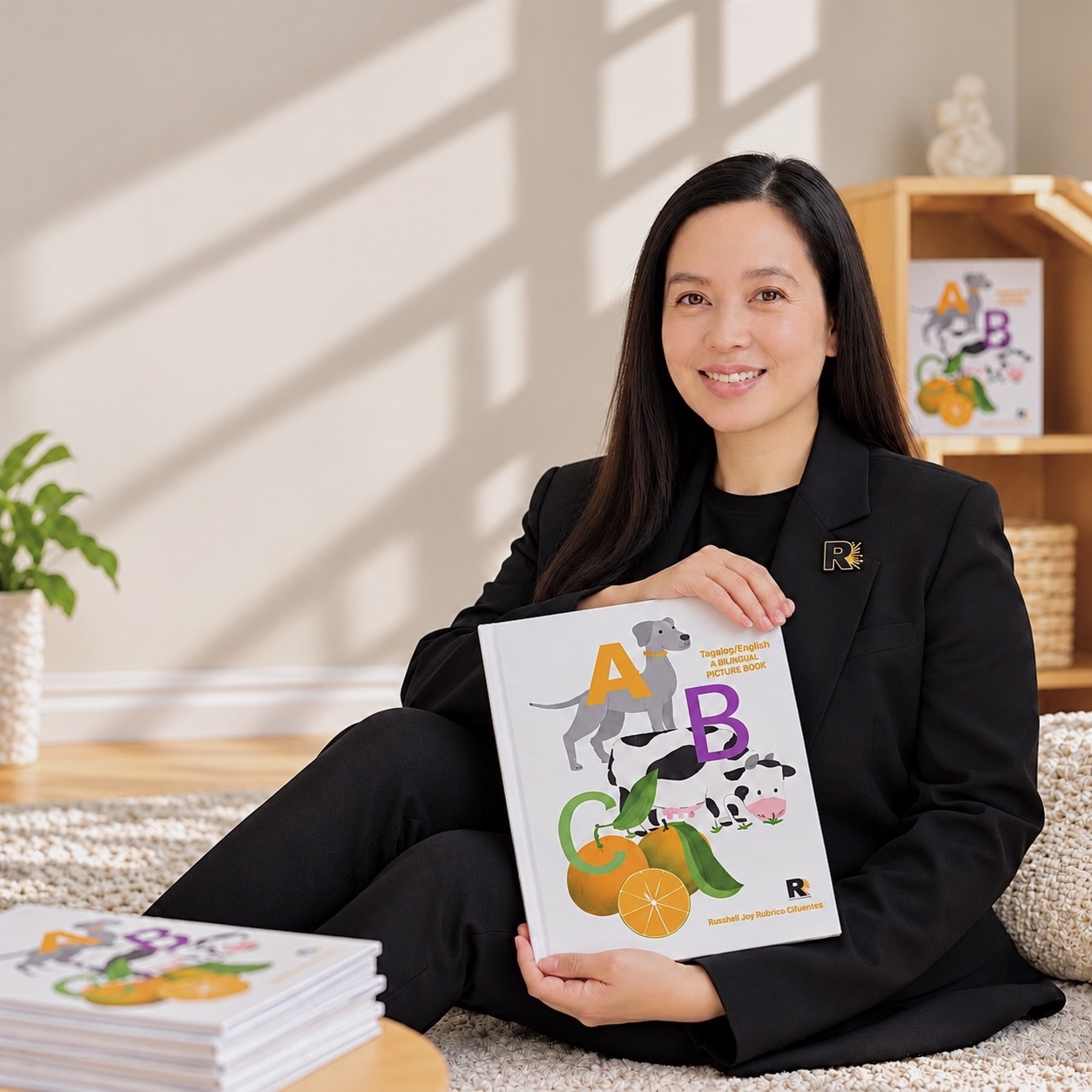 1. Before you became an author, what did you imagine your life would look like? What surprised you about where you ended up?
Before becoming an author, I imagined my life centered around building a successful career, raising a family, and creating opportunities for my children. As a first-generation Filipino American, I always valued hard work, education, and staying connected to my roots. Becoming an author was a dream I carried quietly, but I never imagined when or how it would become a reality.
What surprised me most was how motherhood inspired me to turn that dream into something meaningful. What started as a simple idea during the pandemic became a children’s book that celebrates language, culture, and identity.
Today, I find myself balancing a career, motherhood, community leadership, and now being a published author. I never imagined wearing so many hats, but I’m grateful for where life has taken me.
2. What were you like as a child, and which part of that child is still very much with you today?
Growing up as a first-generation Filipino American in Los Angeles, I was surrounded by family, culture, and the importance of hard work. I was curious, imaginative, and always dreamed of what life could look like beyond what I knew. I learned early on to appreciate the sacrifices my family made and the opportunities they created for me.
The part of that little girl that is still very much with me today is her curiosity, determination, and love for learning. I still get excited about new experiences, traveling, meeting people, and challenging myself to try something different.
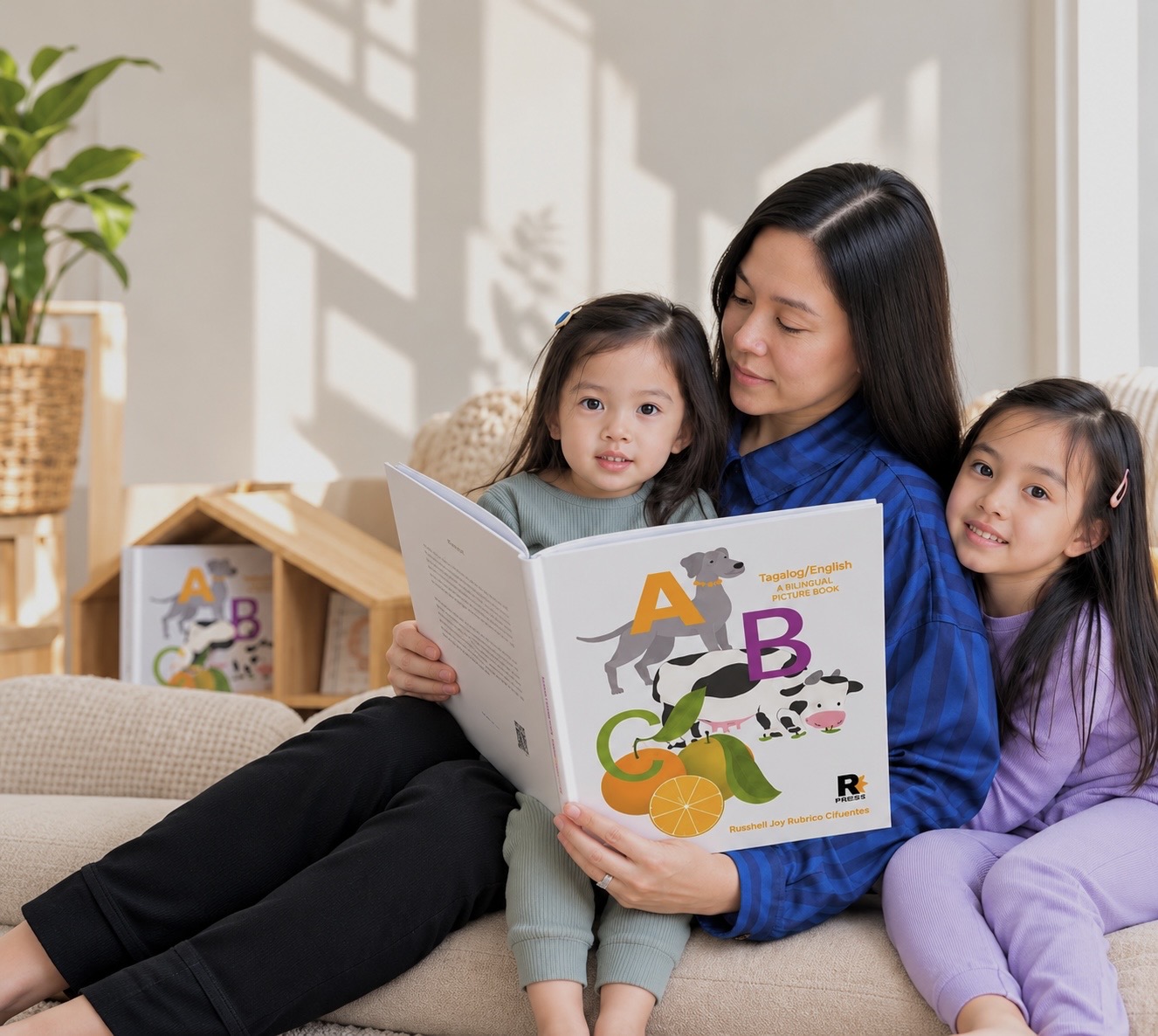
Now that I’m a mother, I see pieces of my younger self in my daughters. It’s a beautiful reminder of why preserving our language and culture matters so much to me.
3. Who made you feel that your ideas were worth listening to? Tell us about a moment with that person that stayed with you.
One person who has always made me feel that my ideas were worth listening to is my husband, Marco. He has seen me take on so many roles throughout the years, from building my career to becoming a mother, leading a community organization, and eventually becoming a published author.
Publishing my children’s book was especially meaningful because it was an idea I had carried for years. Having someone believe in that vision reminded me that sometimes all we need is one person who sees the potential in our dreams before they become reality.
It’s something I hope to pass on to my daughters: the confidence to use their voices, share their ideas, and know that what they have to say matters.
What has stayed with me is how he listens when I share an idea, even when it’s still just a thought or something I haven’t completely figured out. He encourages me to explore what’s possible and supports me in finding a way to make it happen.
4. What is something about your everyday life that readers might be surprised to learn?
I think readers might be surprised to learn that outside of being an author, I work full-time, I’m a mom to two young daughters, and I lead Arizona Filipinos. My everyday life is a balance of school drop-offs/pickups, work meetings, family time, community events, and finding little pockets of time to pursue my creative passions.
As much as I love accomplishing big things, I genuinely enjoy the simple moments: a good cup of matcha, reading with my girls, traveling with my family, and making memories together.
I think that’s what makes this journey special. I’m not living a completely different life because I became an author. I simply found a way to make room for another dream within the life I’ve already built.
5. Was there a time you nearly gave up on writing? What helped you take the next step?
There were definitely moments when I wondered if my dream of becoming an author would ever become a reality. I started writing my Tagalog-English ABC book during the pandemic, but between working full-time, raising my daughters, and balancing everyday responsibilities, the project sometimes had to take a back seat. Years passed, life continued, and the book remained an unfinished dream.
What kept me going was remembering why I started. I wanted my daughters and other Filipino American children to have a fun and meaningful way to connect with their language and heritage. I also wanted to create something that families could share across generations. Eventually, I realized that progress doesn’t always happen on the timeline we imagine. Sometimes, taking the next step simply means picking up where you left off, even if years have passed.
Seeing my book finally come to life reminded me that a dream delayed doesn’t have to be a dream abandoned. I’m grateful I kept going because what started as a passion project has become something I can share with families beyond my own.
6. What’s a mistake you made along the way that you can appreciate—or even laugh about—now?
One mistake I can laugh about now is thinking that publishing a children’s book would be a fairly simple process. I thought the hardest part would be writing the book and finding an illustrator. Little did I know that was just the beginning!
I quickly learned that becoming an author also meant learning about publishing, formatting, printing, distribution, marketing, and everything in between. There were definitely moments when I thought, “Wait, I have to figure that out too?”
Looking back, I also wish I hadn’t put so much pressure on myself to have everything figured out before moving forward. I spent a lot of time wanting things to be just right when sometimes I simply needed to take the next step and learn along the way.
Now I appreciate those lessons because they taught me patience, flexibility, and the importance of trusting the process. I’ve learned that you don’t have to know everything when you begin. You just have to be willing to learn.
7. Which books did you love as a child, and what made them memorable? Are there any children’s books you’d recommend to young readers today?
Growing up, I was drawn to books that sparked my imagination, encouraged curiosity, and made reading feel like an adventure. Stories like Where the Wild Things Are by Maurice Sendak, The Giving Tree by Shel Silverstein, and Green Eggs and Ham by Dr. Seuss are wonderful examples of the kinds of books that make childhood reading memorable. Their imaginative illustrations, simple storytelling, and meaningful messages stay with readers long after they’ve turned the last page.
Now that I’m a mother, I appreciate children’s books from a completely different perspective. I love stories that encourage children to ask questions, celebrate who they are, and discover the world around them.
For young readers today, I would recommend Pokémon: A New Journey from DK’s Super Readers series, which combines adventure, friendship, and familiar characters to make learning to read exciting; 4 Money Bears, which introduces children to financial literacy and the importance of saving, spending, investing, and giving; and Cora Cooks Pancit by Dorina K. Lazo Gilmore, a heartwarming story that introduces Filipino culture, family traditions, and the joy of cooking together.
Of course, I also believe bilingual children’s books deserve a special place on our bookshelves. That was part of my inspiration for creating my Tagalog-English ABC Book. I wanted children to experience the joy of learning a language while feeling connected to their Filipino heritage.
To me, the most memorable children’s books do more than teach children how to read. They help children discover who they are, where they come from, and all the possibilities ahead of them.
8. When you’re not writing or thinking about books, what makes you feel most like yourself?
I feel most like myself when I’m spending quality time with my family, traveling, and experiencing new things. I’ve always had a love for exploring different places, learning about cultures, trying new foods, and creating memories along the way.
As a wife and mother, some of my happiest moments are also the simplest ones. Whether it’s our morning routines, reading together before bedtime, enjoying a quiet cup of coffee, or watching my girls discover something new, those little moments bring me so much joy.
I also find a great sense of purpose in bringing people together. Being involved in the Filipino community in Arizona has allowed me to connect with incredible people, celebrate our culture, and help create a sense of belonging for others.
Turning 40 has given me an even greater appreciation for slowing down and being present. I’ve realized that while I love setting goals and accomplishing new things, what matters most to me is having the freedom to enjoy the life I’ve worked so hard to build.
At the heart of it all, I’m someone who loves her family, values meaningful connections, and believes life is meant to be experienced, not just accomplished.
9. What does success as an author mean to you, and what moments make you feel you’re on the right path?
To me, success isn’t necessarily measured by the number of books sold, bestseller lists, or recognition. While those accomplishments would certainly be wonderful, I believe true success comes from knowing that something I created has made a meaningful difference in someone’s life.
I’ve also come to appreciate that success means showing my daughters what’s possible. I want them to grow up knowing that dreams don’t have an expiration date and that it’s never too late to pursue something meaningful.
When I began writing my Tagalog-English ABC Book, my intention was simple: to create something that would help children learn the language while celebrating their Filipino heritage. As a first-generation Filipino American and a mother, I wanted to create something that families could enjoy together and that would help bridge generations.
The moments that remind me I’m on the right path are often the smallest but most meaningful. Hearing from parents who are excited to introduce Tagalog to their children, seeing interest from educators who want to bring my book into their classrooms, or knowing that a child somewhere might recognize a Filipino word for the first time because of something I created.
If my book inspires even one child to feel proud of their heritage, encourages a family to reconnect with their language, or creates a special moment between generations, then I consider that success. Everything beyond that is a beautiful bonus.
10. What would you say to someone who dreams of becoming a children’s author? What advice or practical tips would you share to help them get started?
My biggest advice to anyone is simple: Start writing, even if you don’t have everything figured out. You don’t need to have a perfect illustrator or a publishing plan on day one. Every book begins with an idea, and sometimes the hardest part is simply taking that first step.
When I started writing my Tagalog-English ABC Book during the pandemic, I had no idea how much I would learn along the way. What began as a passion project eventually became a published children’s book. The journey taught me patience, persistence, and the importance of believing in something even when progress feels slow.
For anyone just getting started, I would share a few practical tips:
- Write about something meaningful to you. The most authentic stories often come from personal experiences, cultural traditions, or lessons you want to pass on.
- Read children’s books regularly. Pay attention to how authors use simple language, illustrations, and storytelling to connect with young readers.
- Understand your audience. Writing for toddlers is very different from writing for early or independent readers. Think about the age group you want to reach.
- Research the publishing process. Explore traditional publishing and self-publishing options. Learn about editing, illustrations, formatting, printing costs, and distribution before making financial commitments.
- Build a supportive team. Having a trusted editor, illustrator, or someone who can offer honest feedback makes a difference. You don’t have to navigate everything alone.
- Don’t rush your timeline. Life happens, especially when balancing a career and family. Small, consistent steps still count as progress.
One thing I wish I had understood earlier is that writing the book is only one part of becoming an author. Learning how to publish, market, and share your work is an entirely different journey. Don’t be afraid to ask questions, connect with other authors, and learn as you go.
If there’s one thing I’ve learned, it’s that you don’t have to be an expert to begin. You become one through the experiences, mistakes, and lessons along the way. And remember, somewhere out there may be a child who needs the very story you’re dreaming of writing. Give yourself the chance to bring it to life.
Her story doesn’t end here!
To learn more about her books, upcoming projects, and creative journey, connect with her through the links below.
Connect with Russhell Joy R Cifuentes
📸 Instagram: @tagalogenglishabc and @russhellrubrico
Let’s Celebrate More Children’s Authors!
I believe every author has a story worth sharing, and I love giving fellow children’s authors a place to share their journeys, experiences, and inspiration.
Interested in sharing your own author story? Visit my Meet Our Featured Authors page to learn more.
Because behind every children’s book is an author with a story of their own.